Professional Residential Electrician for Secure and Reliable Solutions
A competent home electrician takes on an indispensable role in sustaining the safety and efficiency of power grids in homes. These knowledgeable experts are trained to handle installations, repairs, and upgrades, upholding adherence to safety standards and local codes. Routine concerns, like wavering light or faulty circuits, frequently demand specialized attention. Understanding the scope of their work raises significant questions about safety, reliability, and the long-term health of a property's electrical framework. What should homeowners think about before hiring?
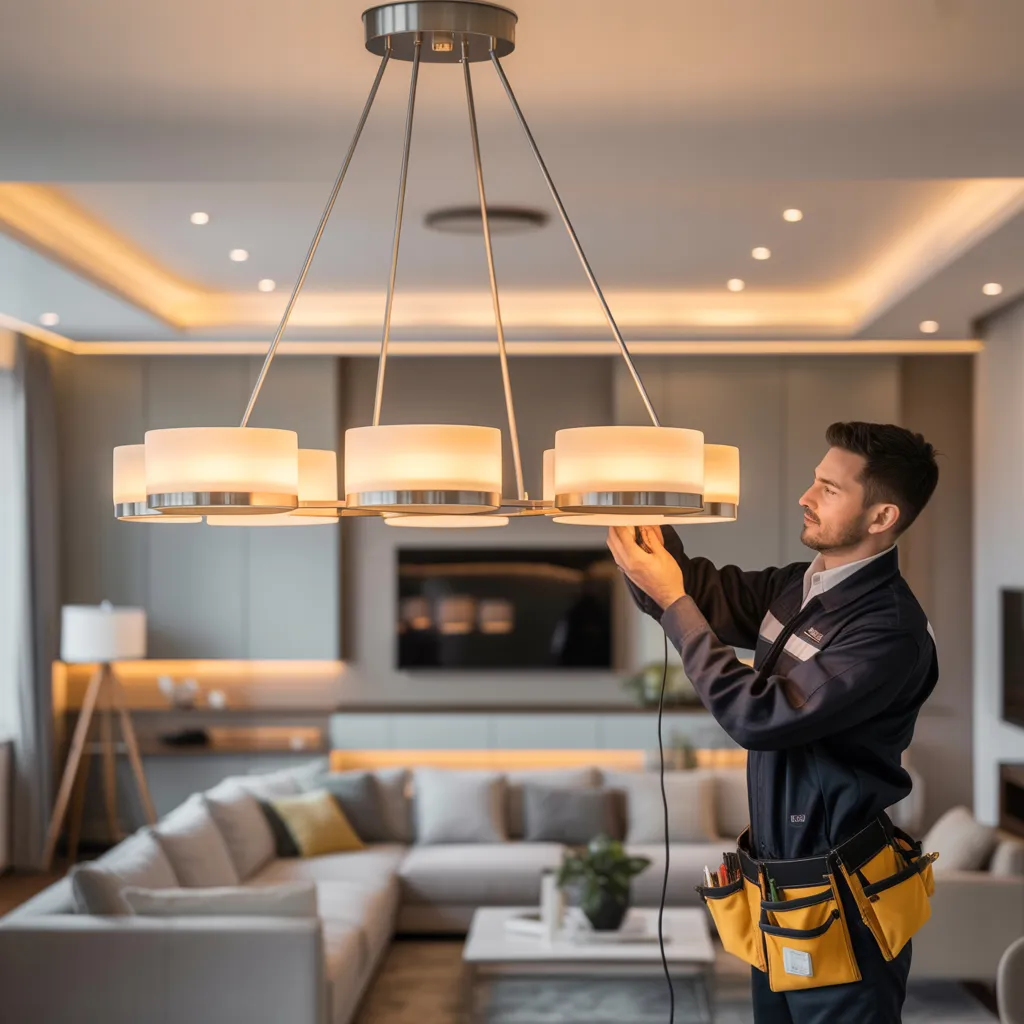
What Does a Residential Electrical Professional Actually Responsible For?
A residential electrician focuses on the setup, upkeep, and fixing of electrical systems within homes. Their main duties include wiring, circuit installation, and the setup of lighting fixtures. They also troubleshoot electrical issues, guaranteeing that systems operate efficiently and safely.
In addition to these tasks, residential electricians perform routine assessments to detect potential risks and verify adherence with relevant codes. They often improve existing systems to support new appliances or technology, thereby enhancing a home's performance.
Furthermore, they offer valuable advisory support, guiding homeowners on energy-efficient solutions and innovative electrical designs. A residential electrician also works together with other contractors during remodeling projects or building developments, ensuring that electrical work integrates seamlessly with other elements of the project. By utilizing specialized tools and adhering to industry standards, they play an essential role in preserving a safe and reliable electrical environment in residential settings.
Safety Standards in Electrical Work: Important Information for Homeowners
How can homeowners guarantee their power infrastructure remain safe and up to code? Understanding safety requirements is essential. Power regulations, such as the National Electrical Code (NEC), function as a framework for secure setups and procedures. Homeowners should verify their systems comply with these requirements to reduce dangers of fire hazards and shocks.
Routine examinations by a licensed electrician can help recognize potential hazards. Electricians are experienced to follow local regulations and implement safety systems. Homeowners should also be informed of proper load capacities to stop overload, which can trigger overheating.
Additionally, implementing approved supplies and components is vital for upholding safety. Homeowners must focus on the installation of GFCI outlets in moisture-prone spaces and validate smoke detectors are functioning. By keeping informed and proactive about electrical safety standards, homeowners can notably decrease risks and deliver a protected household setting.
Frequent Electrical Complications and How Specialists Handle Them
Homeowners frequently face multiple wiring issues that can create hazards to safe operation and performance. Common problems consist of flickering lights, breakers that trip, and outlets that fail to work. These issues can be caused by old-fashioned electrical systems, overloaded circuits, or faulty appliances.
One more frequent concern involves electrical surges, which can harm equipment and gadgets. Ground fault circuit interrupters (GFCIs) may fail, generating hazards in damp areas like kitchens and bathrooms.
Professionals identify these issues by performing comprehensive examinations, verifying wiring integrity, and assessing the demand on circuits. They employ specialized tools to identify concealed issues and ensure compliance with safety standards.
How to Handle Frequent Electrical Problems With Expert Guidance
Skilled electricians are often required to handle common electrical issues. Lights that flicker, circuit breakers that trip frequently, and malfunctioning outlets are problems that can signal underlying electrical faults. Hiring a qualified electrician guarantees these issues are diagnosed accurately and resolved safely.
Flickering Lights Solutions offering reliable answers
Flickering lights can disrupt the comfort of any home, signaling potential electrical issues that require immediate attention. This common problem often suggests loose connections, faulty switches, or inadequate wattage. Homeowners should first check if the flickering occurs with particular bulbs or throughout the entire house. If it is isolated, changing the bulb may solve the issue. However, persistent flickering warrants consultation with a professional residential electrician, who can accurately diagnose and fix underlying problems. A qualified electrician will inspect wiring, evaluate circuit loads, and guarantee all connections are secure. Addressing flickering lights promptly not only brings back peace but also enhances safety, preventing potential hazards like electrical fires. Professional intervention provides peace of mind and long-term solutions.
Circuit Breaker Activation Causes
Understanding these problems is essential; engaging a qualified home electrical specialist to diagnose and resolve these problems ensures safety and efficiency in the home's electrical system.
Outlet Problem Resolution
Recognizing the possible challenges linked with circuit breakers logically emphasizes the need to troubleshoot outlet malfunctions. Outlet difficulties can present as flickering lights, non-functioning devices, or unusual sounds emanating from the outlet itself. These symptoms frequently suggest underlying electrical issues that call for professional evaluation. A qualified electrician will start by examining the circuit for overloads, loose connections, or damaged wiring. They might also check for proper grounding and voltage levels to confirm safety. Promptly addressing these malfunctions is vital, as ignoring them can result in more serious hazards, including electrical fires. By depending on a professional, homeowners can ensure their electrical systems function efficiently and safely, safeguarding both their property and peace of mind.
Why Retain an Expert for Electrical Upgrades?
Upgrading electrical systems can greatly enhance a home's security and efficiency, making expert assistance vital. Homeowners often miscalculate the complexities involved in electrical upgrades, which can lead to costly mistakes or hazardous situations. Professional electricians possess the necessary training and experience helpful tips to navigate local codes and regulations, ensuring that upgrades are secure and regulation-compliant.
Also, professionals can evaluate a home's particular electrical requirements, advising customized solutions that improve performance and energy efficiency. They are equipped with the right tools and knowledge to handle potential challenges, such as outdated wiring or insufficient load capacity. This mastery not only minimizes risks but also strengthens the service life and trustworthiness of the power supply.
In the end, engaging a skilled electrical professional for enhancements not only safeguards a home but also offers peace of mind, understanding that the work is correctly and efficiently performed, thereby increasing the value in the property.
Getting Ready for Your Electrical Inspection?
During an electrical inspection, property owners may anticipate a full assessment informed by a common checklist that highlights key components of their electrical arrangement. Auditors will analyze adherence to safety guidelines to guarantee the power distribution is both efficient and secure. Knowing these standards assists residents gear up for a successful inspection process.
Routine Review Guideline Items
A meticulous electrical review typically involves various key checklist items that confirm safety and compliance with regulations. Professionals often start out by examining the service panel for suitable grounding and secure contacts. They inspect wiring for any signs of wear, injury, or improper arrangement. Protection devices and safety fuses are examined to make sure they are working as intended and adequately suitable for the power load. In addition, wall outlets and switches are checked to assure they are grounded and without any defects. Smoke detectors and carbon monoxide detectors are also tested for proper operation. In the end, the inspector surveys any modifications or additions to the power system to verify they adhere to local codes and benchmarks, ensuring the general safety of the the building's electrical infrastructure.
Safety Standards Compliance Summary
After completing a detailed inspection checklist, understanding compliance with safety standards is essential for homeowners. Adherence to electrical safety requirements ensures that electrical installations satisfy both federal and local codes, reducing dangers from electrical hazards. Property owners can expect the electrical professional to verify proper grounding, circuit functionality, and the use of approved materials. Additionally, adherence to the National Electrical Code (NEC) is critical, as it establishes the basic safety requirements for electrical systems. During inspections, electrical professionals will assess the functionality of smoke detectors and carbon monoxide alarms, verifying they operate properly. By prioritizing safety standards, homeowners not only safeguard their property but also protect the health of their families. Ultimately, adherence builds trust in electrical work and promotes long-term safety.
How to Identify the Best Qualified Electrician for Your Home
Picking the appropriate electrical expert for a home can prove challenging—what considerations should one take into account? First, confirming qualifications is fundamental. A licensed electrician verifies that they have met the required training and specifications. Homeowners should also review insurance, as this defends against possible complications during the work.
Experience is another critical element; experts with a solid track record are often more skilled at handling various issues. Reviewing feedback and getting recommendations can provide understanding into their dependability and caliber of work.
Additionally, obtaining several estimates allows homeowners compare pricing and services, guaranteeing they receive a fair deal. Interpersonal abilities are equally important; an electrician must explain issues and solutions in a straightforward manner.
Finally, examining their familiarity with local regulations and codes can prevent future problems. By methodically analyzing these elements, homeowners can formulate an informed selection, finally ensuring safety and performance in their electrical projects.
Common Inquiries Asked Regularly
What Is the Cost to Contract a Residential Electrical Contractor?
The price for hiring a home electrician typically falls between $50 to $100 per hour, contingent upon your area and the complexity of the job. Supplementary fees may be applied for materials and urgent services, modifying the overall expense.
How long Will an electrical job typically Need?
An electrical job generally requires a few hours to several days, depending on its complexity and scope. Basic repairs may need little time, while larger installations or renovations can substantially extend the duration.
What Skills Should I Seek in an Electrical Contractor?
When finding an electrician, one should highlight attributes such as current licenses, liability coverage, relevant experience, and positive customer reviews. Additionally, certifications in specialized areas can elevate their credibility and promise high-quality service.
Do Urgent Electrical Services Available?
Emergency electrical services is certainly accessible. Many electricians offer 24/7 assistance for pressing concerns, providing rapid response and fixes to return security and operation. Residents should verify accessibility and turnaround before crises occur.
Am I Permitted to Do Electrical Work on My Own According to Law?
In many jurisdictions, people are able to legally perform electrical work on their own properties, but regulations differ. It's essential to review local codes and safety standards to guarantee compliance and prevent potential hazards or fines.